Preserving Life Stories in the Digital Age: When Biography Meets Visual Storytelling
Biographies have always played an important role in preserving human history. They allow us to understand the lives, struggles, achievements, and emotions of remarkable individuals. From historical leaders and artists to modern innovators and cultural icons, biographies help future generations learn not only what people accomplished, but who they truly were.
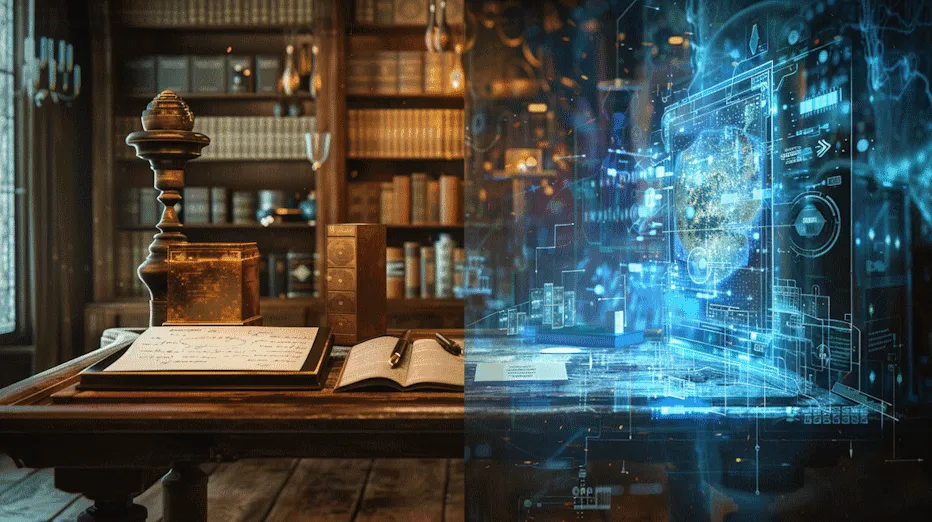
In today’s digital era, storytelling has evolved beyond words alone. Visual elements now play a vital role in how life stories are documented, remembered, and shared. When biographies are combined with visual storytelling, they become more immersive, emotional, and memorable.
Why Biographies Matter More Than Ever
A biography is more than a timeline of events. It is a narrative of human experience successes, failures, relationships, and defining moments. Readers connect with biographies because they reflect universal emotions and lessons.
Biographies help:
- Preserve personal and cultural history
- Inspire readers through real-life journeys
- Humanize public figures beyond their achievements
- Create emotional connections across generations
In a fast-paced digital world, biographies remind us to slow down and understand the people behind history.
The Role of Visuals in Telling Life Stories
While words describe experiences, visuals help readers feel them. Old photographs, family portraits, handwritten letters, and milestone images add depth and authenticity to a biography.
Visual storytelling:
- Strengthens emotional impact
- Makes stories easier to remember
- Adds historical and personal context
- Helps readers connect with the subject on a deeper level
This is why modern biographies increasingly include visual elements alongside written narratives.
Turning Memories Into Visual Narratives
A single photograph can capture a moment, but combining multiple images can tell a complete story. This is where visual tools become especially valuable for biographers, historians, writers, and families preserving personal legacies.
Using a photo collage maker allows creators to combine different stages of life, childhood, achievements, relationships, and defining moments into one cohesive visual narrative.
You can easily create meaningful visual stories using this tool:
Such collages transform scattered memories into organized visual timelines that complement written biographies beautifully.
How Photo Collages Enhance Biographical Content
1. Showing Life Progression
Collages help illustrate growth and transformation by presenting multiple life stages in a single frame.
2. Adding Emotional Depth
When readers see faces, places, and moments, they connect emotionally with the story being told.
3. Preserving Family Histories
For personal biographies, collages help families preserve memories and pass them on to future generations.
4. Making Stories Shareable
Visual biographies are more engaging and easier to share on digital platforms, expanding their reach.
Digital Tools Make Biography Accessible to Everyone
In the past, documenting life stories required professional writers, designers, and publishers. Today, digital tools have made storytelling accessible to everyone. Individuals can now document their own journeys or honor loved ones without advanced technical skills.
This accessibility is especially important for:
- Family historians
- Students and researchers
- Writers and bloggers
- Cultural and historical archives
With simple tools, anyone can combine text and visuals to create meaningful biographical content.
Biography in the Age of Social Media
Social platforms have changed how biographies are consumed. Short-form stories, visual timelines, and digital memorials are becoming more common. Photo collages play an important role in this shift by presenting complex life stories in a visually engaging and concise way.
Whether it’s celebrating an artist’s career, honoring a historical figure, or sharing a personal journey, visual storytelling helps biographies remain relevant in modern digital spaces.
Best Practices for Combining Biography and Visuals
To create effective biographical content with visuals:
- Choose images that reflect key life moments
- Maintain chronological or thematic order
- Avoid overcrowding visuals with too many elements
- Match the tone of images with the story being told
- Keep the focus on authenticity
When visuals support the narrative rather than distract from it, biographies become more powerful and meaningful.
Final Thoughts
Biographies preserve the essence of human experience. They allow stories to live beyond time, connecting generations through shared history and emotion. In the digital age, visual storytelling enhances this tradition by adding depth, clarity, and emotional resonance.
By combining written narratives with thoughtfully designed visuals, biographers and storytellers can create richer, more engaging life stories. As technology continues to evolve, the way we preserve and share biographies will only become more creative, accessible, and impactful.
In the end, every life has a story worth telling and when words meet visuals, those stories become unforgettable.